
Okay, so check this out—I’ve been messing with hardware wallets for years, and somethin’ about a credit-card-sized key makes my gut chill in a good way. Whoa! Cold storage can be boring on paper, but when it fits in your pocket it suddenly matters. My first impression was pretty simple: convenience wins. Initially I thought convenience would always mean compromise, but then I saw how card-based solutions close the gap between usability and security.
Seriously? Yup. There’s a real trade-off between an easy-to-use wallet and one that actually keeps your coins offline. Hmm… early card implementations felt flaky, though actually, wait—let me rephrase that: older NFC cards were clunky, but modern designs are way better. On one hand you get a durable, tamper-resistant element that looks like everyday tech; on the other hand you still need safe backup habits. I’ll be honest—this part bugs me when people skip the basics.
Here’s the thing. A physical crypto card lets you tap to sign transactions with a phone, while the private key never leaves the card. That sounds simple, and it is, mostly. But there are a few layers under the hood worth understanding. My instinct said “this is smart,” then I checked firmware assumptions and realized user behavior is the real weak link. Something felt off about people saying “set it and forget it” without planning for loss, damage, or human error.
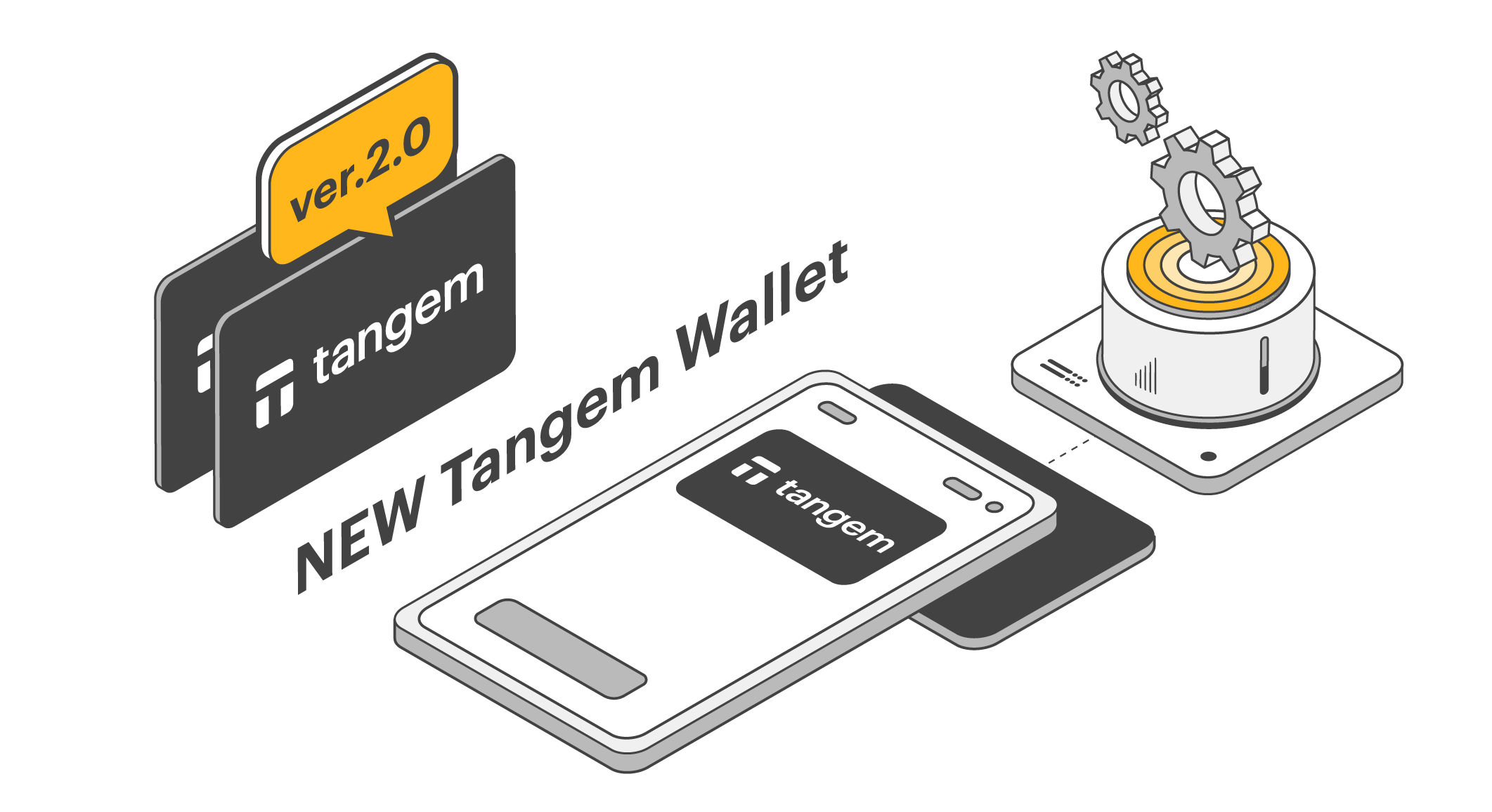
Why a tangem card feels different
Okay, so full disclosure—I like clean hardware that just works. The tangem card is one of those that changed the conversation for me. Whoa! It’s not flashy, but the simplicity is the point. My first tap was weirdly satisfying. At first I thought it would be slow, but it was instant. On one hand it removes password stress, though actually there’s still responsibility: you must protect the card itself.
The card stores your private key in a secure element, isolated from the phone. That tiny sentence covers a lot. Medium sentences: the secure element resists physical tampering and side-channel attacks, and many cards are programmed so that keys never export. Longer thought: because the private key never leaves the card, attackers who compromise your phone generally still can’t steal funds unless they also have your card and PIN—or you authorized a malicious transaction without noticing.
I’m biased, but I like that it’s tactile. You hold something. You can hide it in a drawer, carry it like ID, or stash it in a safe. People in the US get that—pocket-sized security resonates when you commute, travel, or deal with kids who eat everything. (oh, and by the way…) Using cards also encourages a backup mindset: duplicate cards, safe-deposit boxes, or split secrets. No single solution is perfect, but tangibility helps behavior change.
Real-world pros and the pitfalls nobody mentions
Pro: ease of use. Short sentence. Pro: air-gapped signing via NFC is intuitive for most folks. Long sentence: this means you can combine the security of an offline key with the convenience of a smartphone app that helps craft transactions, check balances, and broadcast signed transactions without exposing your private key to the internet.
But here’s a snag. If you rely on a single card and it gets lost or damaged, recovery may be difficult. My instinct said “duplicate it,” and that instinct was right. Actually, wait—recovery strategies differ by vendor, and some card systems use backup cards or mnemonic alternatives; you must verify the vendor’s approach before trusting them with significant funds.
Another pitfall: physical cloning myths. People worry the card can be cloned. On one hand, secure elements are designed to resist cloning; though actually, sophisticated lab attacks exist, and nobody should be naïve. On the other hand, for everyday users the practical risk of cloning is low if you follow good handling practices.
One more thing bugs me: ecosystem fragmentation. Different wallets implement NFC differently, and not all apps play nice across devices. That sucks. If you buy a card expecting universal compatibility, you’ll want to double-check supported wallets and OS versions. It’s very very important to test with small amounts first.
How I test a card (hint: do this before trusting it)
First, I buy the card from an authorized channel and inspect the packaging. Short sentence. Then I create a new wallet on the card and move a tiny amount in. Medium sentence: I watch the app prompt, confirm that signing occurs on the card only, and try a few transactions to confirm consistency across my phone and desktop broadcasts. Longer sentence with a thought: if the steps feel opaque or if the vendor’s recovery story is vague, I stop and research—because ease of use without transparency is a red flag.
Pro tip: practice recovery. Seriously? Yes. Create duplicate backup cards or set up a secure offline seed, depending on the card’s model. My working rule: never keep all access in a single physical object without a tested recovery plan. I’m not 100% sure which method will be best for every person, but tested redundancy beats wishful thinking.
Security trade-offs and your mental model
People like simple mental models. Short. For cards, here’s one: the card equals the key, the phone is a display and broadcaster. Medium: imagine the card as a safety deposit box with a tiny keypad; you request an operation, the box signs it, and hands it back. Long: because the signing authority is isolated, attackers who control your phone still cannot take funds—unless they trick you into signing something malicious, which is why UX that clearly displays transaction details is critical.
On one hand, the card reduces digital attack surface; on the other hand, social-engineering and physical risk increase. That tension is exactly why I keep at least two backups in geographically separated locations, and I rotate where I store them. It’s boring, but it works.
FAQ
Is a crypto card safer than a seed phrase?
Short answer: sometimes. Medium: a card avoids the pitfalls of writing down a mnemonic that someone could find, but it introduces a physical dependency and vendor trust. Longer thought: if you store the card securely and maintain tested backups, a card can be more practical and just as secure for many users; but you should understand how the vendor handles recovery and whether the key is truly non-exportable.
What if my card is stolen?
If your card has a PIN, that helps. Short. You should treat it like a stolen phone scenario: freeze desktop accounts if possible, move funds to a new wallet if you can, and use your recovery approach. Medium: in some ecosystems you can revoke or block operations if you prepared ahead; in others you must rely on moving funds from a backup device. Long: the best defense is planning—store backup cards and keep recovery instructions in a secure place so a theft doesn’t become permanent loss.
How do I choose a card?
Pick one with clear documentation, a good security track record, and community scrutiny. Short. Prefer open standards or widely vetted firmware. Medium: check compatibility with your preferred wallets and test small transactions. Longer thought: vendor reputation matters—look for transparent security audits, a clear recovery story, and active development rather than vaporware promises.
Alright, final thought: a crypto card doesn’t magically fix all human risk, but it dramatically lowers remote attack chances while improving daily usability. Whoa! I’m not trying to sell you a miracle. My instinct said “this is the future for casual cold storage,” and after a bunch of testing and a few messy moments, that feeling stuck. So—if you want something that behaves like a credit card but stores your key like a vault, a card-based approach is worth a close look.
Recent Comments