
Whoa, that’s wild. I remember the first time I lost a tiny amount on a chain I barely used. My instinct said I was careless, but something felt off about the whole flow. At first I thought browser wallets were just convenient, end of story, but then small weird things kept popping up. Actually, wait—let me rephrase that: convenience masked a lot of tiny attack surfaces that most of us ignore.
Seriously? Yup. Most browser extension wallets expose multiple points where things can go wrong, from permission creep to clipboard skimming. People click “Connect” like they accept a terms-of-service in the middle of a Friday night, and then wonder why a token swap drained their account. On one hand the UX is delightful, though on the other hand that delight can be weaponized if the wallet doesn’t enforce strict boundaries. My gut kept nudging me, and honestly I started rebuilding workflows in my head to reduce risk.
Here’s the thing. Extensions sit between you and the web, and they speak a lot of different protocols. That surface area matters. Some wallets try to be everything — multi-chain, multi-feature — and in doing so they add complexity that attackers love. Initially I thought adding network support was purely positive, but then I realized each extra chain is another place to screw up key handling or RPC permissioning. So I now look for wallets that limit blast radius by design, not by accident.
Hmm… small nit: permissions dialogs are confusing. Developers use granular JSON-RPC calls and users see vague prompts. That mismatch creates an opportunity for phishing dapps to ask for too much. Also, many users reuse the same small reactions to prompts — like always clicking “Approve” — and that repetition becomes predictable and exploitable. On the technical side, one-time approvals and spend-limits are huge improvements when implemented well, because they reduce catastrophic single-click losses.
Whoa, that’s wild. Wallet UI patterns are a security problem. The affordances nudge people toward dangerous behaviors. For example, “Approve all tokens” or “Approve unlimited” is common, and it’s way too easy to accept with one tap. Designers argue it’s faster, but I say it’s reckless unless you trust the counterparty absolutely. I prefer wallets that default to minimal approvals and surface clear, human-readable summaries of what a dapp is requesting.
Seriously, this is fixable. Use transaction simulation and preview tools whenever possible. Some wallets show estimated post-fee balances and contract calls in plain language; that clarity matters more than flashy analytics. On the other hand, too much technical detail can overwhelm; balance matters. My approach is pragmatic: show essentials first, then allow power users to dig deeper if they want.
Whoa, check this out—some wallets isolate signing in a sandboxed environment that can’t be reached by arbitrary web pages. That isolation is subtle but powerful. It reduces the chance some malicious script steals your keystroke or clipboard data during an approval flow. I tested several extensions and noticed those with hardened signing flows had far fewer edge-case vulnerabilities. Not perfect, but very very helpful when you care about your funds.
Practical habits and a wallet choice I trust
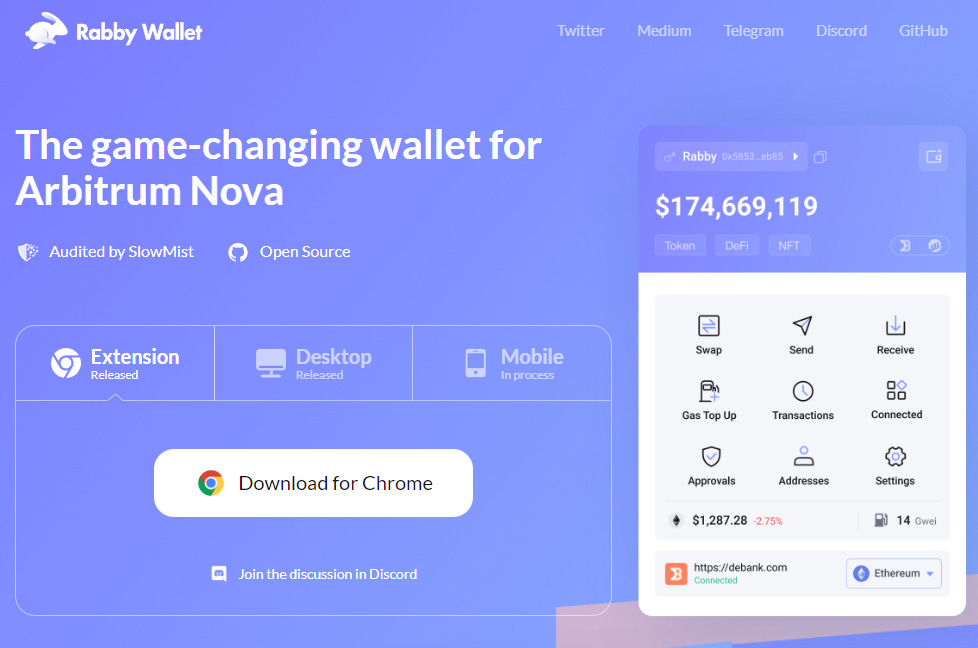
Okay, so check this out—I’m biased, but I think using a wallet that makes security visible is a game-changer. For me that translated into switching to a browser extension that balances usability with safety, and you can download that via rabby wallet. My first impression was skeptical, though actually the onboarding nudged me toward safer defaults without slowing me down. On one hand I want more features, though on the other I want fewer surprises, and rabby wallet leans toward fewer surprises in a smart way.
Wow, really practical tip: separate your daily-use account from your savings. Use a hot account for small trades and a cold or hardware-backed account for everything else. This is basic, but it works in real life; the extra step to move funds acts as a safety gate. Also consider using per-dapp accounts when possible so compromises stay contained. I know it feels like extra friction, but trust me—it saves tears.
Whoa, that’s wild. Another habit: audit the RPC endpoints your wallet uses. Public RPCs can be throttled or censored, and malicious endpoints can lie about balances or simulate transactions. Some extensions allow you to set custom RPCs and even pin a trusted provider per network. Initially I ignored RPC choice, but after a couple of flaky reads I started preferring stable providers or running my own node when doing high-value operations.
Hmm… something else bugs me: notifications and signing prompts that don’t timestamp or bind context. I clicked a “Sign” once and later couldn’t prove why I approved something. Auditability matters. Look for wallets that attach transaction metadata, origin details, and timestamps to approvals so you can review later if needed. That capability is a small feature that pays off big when you investigate suspicious activity.
Whoa, that’s wild. Backups: not glamorous, but essential. Seed phrases should be backed up offline; hardware wallets remain the gold standard for long-term holdings. I messed up once by storing seeds in a cloud note (rookie mistake), and never again. Consider multisig for funds you really can’t risk losing, because it distributes trust and removes single points of failure.
Seriously? Yes. Multisig and transaction policies are underused in DeFi. They complicate some UX, though they massively lower theft risk for team treasuries or shared accounts. On one hand they add overhead, and on the other hand they give you breathing room to spot social engineering or internal mistakes. My instinct says any project with meaningful assets should default to multisig unless there’s a compelling reason not to.
Whoa, that’s wild. Sometimes the simplest improvements are behavioral: log out of the extension when not in use, audit connected dapps weekly, and keep your browser and OS patched. These actions remove obvious attack vectors. I know they sound banal, but attackers rely on complacency more than on exotic zero-days. Small habits add up, and they create friction for attackers.
Quick FAQ
What makes a browser wallet secure?
Good UX combined with principle-based security: least privilege approvals, isolated signing, clear transaction previews, and the option for hardware or multisig integration. Also, transparent RPC choice and audit history help a lot.
How do I choose a multi-chain wallet safely?
Prefer wallets that limit blast radius, show per-chain permissions, and make network switching explicit. Avoid wallets that auto-switch or silently add permissions across many chains; those conveniences are risky unless you fully understand them.
Any quick defensive habits?
Yes: use separate accounts for different purposes, set token spend limits, keep backups offline, and review connected dapps regularly. And when in doubt, pause and verify links or requests out-of-band—call or message the team, don’t just trust a popup.
Recent Comments