
The evolution of casinos tracing their history through time
The Ancient Origins of Gambling
The concept of gambling can be traced back thousands of years to ancient civilizations. Archaeological evidence suggests that games of chance were played in ancient China around 2300 BC, where tiles have been found that indicate gambling activities. Similarly, the Roman Empire embraced gambling, with various forms of betting found throughout their society, including the popular game of dice. These early forms of gaming laid the groundwork for what would evolve into modern-day casinos, where you can find the best payout online pokies australia.
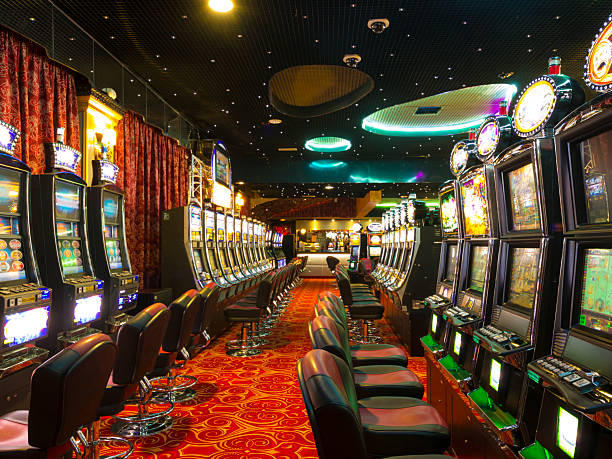
As societies developed, so did the structure of gambling. In medieval Europe, gambling gained popularity among the nobility, often occurring in private homes or gatherings. The first official gambling house, known as a casino, emerged in Venice in the 17th century, catering to the affluent class. This evolution marked a significant shift, as gambling transitioned from informal settings to regulated establishments designed specifically for the purpose of wagering.
The Rise of Gambling Houses in Europe
The 18th century saw a significant transformation in the gambling landscape with the establishment of formal gambling houses throughout Europe. In France, the rise of gaming houses, known as “salons de jeux,” became a fashionable pastime for the elite. These establishments provided a wide range of games, from card games to roulette, which quickly gained popularity across the continent.
The introduction of roulette in the 18th century is particularly noteworthy, as it became one of the signature games of European casinos. The structure of gambling houses also became more sophisticated, introducing rules and regulations to create a fair gaming environment. This development not only attracted more players but also established casinos as social hubs where people gathered to enjoy entertainment and engage in betting.
The Expansion of Casinos in the 19th Century
The 19th century marked the global expansion of casinos, particularly with the establishment of Monte Carlo Casino in Monaco in 1863. This luxurious casino became a symbol of opulence and sophistication, attracting high rollers from around the world. The success of Monte Carlo inspired other regions to create similar establishments, leading to the proliferation of casinos in various parts of Europe and the United States.
In America, the Gold Rush of the mid-1800s brought a surge in gambling as prospectors and settlers flocked to the West. The rise of cities like Las Vegas and Reno further solidified the United States as a prominent player in the global gambling scene. The introduction of slot machines in the early 20th century revolutionized the industry, making gambling accessible to a broader audience and setting the stage for the modern casino experience.
The Modern Era of Casinos and Gaming Technology
The latter half of the 20th century witnessed a dramatic transformation in the casino industry, driven largely by advances in technology and gaming regulations. The legalization of casinos in Nevada in 1931 paved the way for Las Vegas to become the gambling capital of the world. With dazzling lights, extravagant shows, and a wide array of gaming options, Las Vegas became synonymous with the casino experience.
As technology advanced, so did gaming options. The introduction of online gambling in the late 1990s allowed players to access casino games from the comfort of their homes. This digital revolution opened up new avenues for the industry, resulting in the emergence of online casinos, mobile gaming, and innovative gaming technologies like virtual reality. Casinos began to blend traditional gaming with modern technology, creating a unique and immersive experience for players.

Exploring Online Casinos Today
In today’s world, the casino landscape has evolved significantly, reflecting changes in consumer preferences and technology. Online casinos have become a major player in the industry, offering players the convenience of gaming anytime and anywhere. With advanced security measures and a variety of games ranging from virtual slots to live dealer experiences, online casinos cater to a diverse audience.
As the online gambling market continues to grow, many reputable platforms provide players with essential information, ensuring safe and responsible gambling practices. Websites dedicated to reviewing online casinos guide players through the selection of top-rated gaming platforms, highlighting features such as quick payouts, secure banking options, and enticing bonuses. This shift towards online gambling demonstrates the ongoing evolution of casinos, ensuring they remain relevant and accessible in the modern age.
Recent Comments